.png)
Key Takeaways
- Fire Prevention Matters: Smoke detectors, defensible space, and electrical inspections help reduce major property risks.
- Security Improvements Help: Strong locks and exterior lighting can improve safety and protect your investment.
- Maintenance Reduces Liability: Prompt repairs and regular inspections help owners avoid costly legal and structural issues.
- Professional Oversight Saves Time: Property managers help maintain compliance and coordinate repairs efficiently.
- Proactive Planning Protects Value: Addressing issues early helps preserve long-term property performance.
Maintaining property in the Golden State requires a proactive and detail-focused approach to safety and security. Whether you own a single-family home in Irvine or manage a multi-unit complex in Orange County, identifying hazards early and staying compliant with regulations are essential steps for protecting your investment.
At HCM Property Management, we understand how quickly overlooked maintenance issues can turn into expensive repairs or legal problems. That is why we created this guide to explain practical ways California property owners can improve safety, reduce liability, and maintain long-term property value.
California property owners also face unique challenges tied to climate, geography, and strict housing regulations. Wildfire risks, seasonal storms, and aging infrastructure can all affect the condition of a property over time. Taking a preventive approach allows owners to address issues before they become disruptive or financially damaging.
Keep Your Rental Protected Today
We've Got You Covered
Prioritizing Fire Safety and Prevention
Fire safety remains one of the most important responsibilities for California property owners. State law requires smoke alarms in every bedroom, outside sleeping areas, and on each level of the home. Carbon monoxide detectors are also required in properties that contain fuel-burning appliances or attached garages.
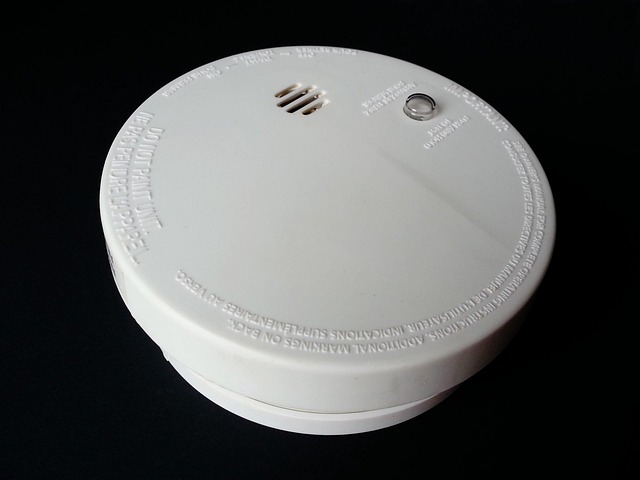
When renting out a property, routine testing is just as important as installation. Property owners should check detectors regularly, replace batteries when necessary, and confirm that units remain fully operational between resident turnovers. Maintaining accurate maintenance records can also help demonstrate compliance if questions arise later.
Exterior maintenance plays a major role in reducing fire risks as well. In many parts of Southern California, owners must maintain defensible space around the structure. This typically includes removing dry vegetation, clearing leaves from gutters, and trimming branches located near rooftops or windows.
Electrical systems should also receive regular attention. Aging wiring, overloaded circuits, and damaged outlets can increase the likelihood of residential fires. Scheduling periodic inspections with qualified electricians helps identify hazards before they become serious problems.
We'll Strengthen Your Property Safety Strategy
Let Our Experience Speak for Itself
Properties located in wildfire-prone areas may also benefit from upgraded building materials. Fire-resistant roofing, ember-resistant vents, and dual-pane windows can help reduce potential damage during severe fire conditions. While upgrades require an upfront investment, they may improve long-term property protection and reduce future repair costs.
Enhancing Physical Security and Lighting
Improving physical security is another important step for protecting both residents and property assets. Owners should evaluate all entry points and confirm that doors, windows, and locks remain in good condition. Exterior doors are generally more secure when built from solid-core wood or metal and paired with high-quality deadbolt locks.
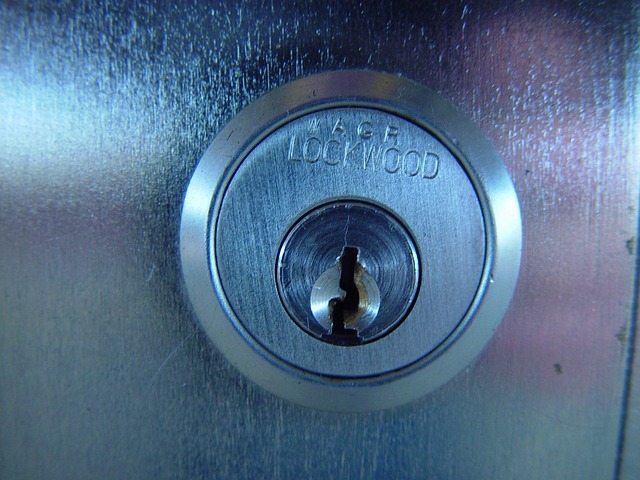
Sliding glass doors are common throughout California and often require additional reinforcement. Secondary locks or security bars can help prevent forced entry while improving overall property protection. Window locks should also be inspected periodically to ensure they function correctly.
Lighting continues to be one of the most effective and affordable security measures available to property owners. Motion-activated fixtures placed near entrances, garages, and walkways can discourage unauthorized access while improving visibility around the property.
Well-lit pathways also help reduce accident risks. Uneven walkways, loose steps, or poorly illuminated entrances can increase the likelihood of slips and falls. Maintaining proper lighting throughout exterior areas helps create a safer environment while limiting potential liability concerns.
Security cameras may provide another layer of protection for certain properties. Owners considering surveillance systems should review local privacy laws and confirm that any equipment is installed appropriately. Visible security measures can sometimes deter criminal activity while providing helpful documentation if incidents occur.
Landscaping should also support overall visibility. Overgrown shrubs or trees near entrances can create hidden areas around the property. Keeping vegetation trimmed improves sightlines and makes exterior spaces easier to monitor.
Maintaining Structural Integrity and Managing Liability
California properties face a wide range of environmental and structural pressures. Water intrusion remains one of the most common issues affecting homes and rental units. Small plumbing leaks, poor drainage, or roof damage can eventually lead to mold growth and expensive repairs if left unresolved.
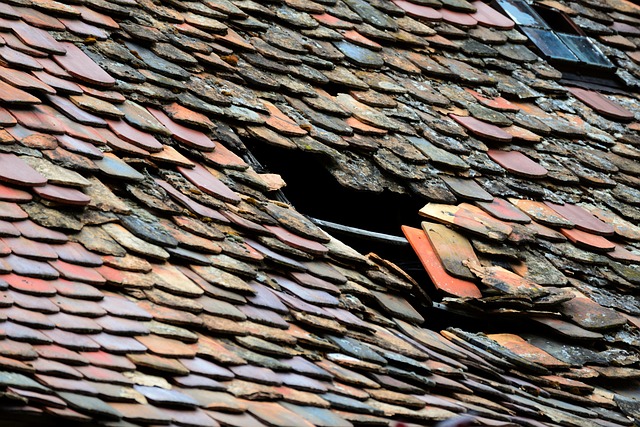
Property owners should inspect plumbing systems regularly and confirm that water drains away from the foundation properly. Roof inspections after heavy rain or seasonal storms can also help identify damaged shingles, clogged gutters, or weakened flashing before problems spread.
Seismic activity is another important consideration throughout California. In certain areas, seismic retrofitting may help reduce structural damage during earthquakes. Improvements such as foundation bolting or cripple wall bracing can strengthen older homes and improve overall stability.
Liability management extends beyond major structural concerns. Loose handrails, cracked walkways, broken flooring, and damaged stairs can all increase injury risks. California landlords have a legal responsibility to provide habitable living conditions and address safety-related repairs within a reasonable timeframe.
Documentation remains extremely important when handling maintenance requests and repairs. Keeping organized records of inspections, invoices, repair schedules, and communication can help demonstrate responsible property management practices.
The Role of Professional Property Management
Managing inspections, maintenance schedules, contractor coordination, and regulatory compliance can become overwhelming for many owners. This is especially true for investors with multiple properties or owners who live outside the immediate area.
Professional property management companies help streamline these responsibilities through routine oversight and preventive maintenance planning. Management teams often coordinate vendor services, monitor repair timelines, and conduct regular inspections to identify issues before they worsen.

At HCM Property Management, we help property owners stay ahead of California safety requirements while reducing the stress associated with day-to-day operations. From maintenance coordination to compliance support, our team works to protect both your property and your long-term investment goals.
Bottom Line
Keeping a California property safe requires consistent attention to fire prevention, physical security, structural maintenance, and regulatory compliance. Addressing these areas proactively can help reduce costly repairs, improve safety, and preserve the long-term value of your investment.
Working with experienced professionals can also make ongoing property oversight far more manageable. HCM Property Management assists owners with inspections, maintenance coordination, compliance support, and day-to-day operational needs so properties remain protected and efficiently maintained.