.png)
Key Takeaways
- Control: Self-managing gives owners direct oversight of leasing, maintenance, and day-to-day operations.
- Time: Managing a rental property requires ongoing attention and can become demanding as responsibilities increase.
- Compliance: California rental laws are complex, making legal compliance an important consideration for owners.
- Efficiency: Professional property management can streamline operations, maintenance coordination, and recordkeeping.
- Scalability: As portfolios grow, many owners find professional management more practical and sustainable.
Owning rental property in California can be a strong long-term investment, but it also comes with ongoing responsibilities. Property owners must handle leasing, maintenance coordination, legal requirements, and financial tracking. These tasks require consistent attention, even when a rental property is performing well.
Because of this, many owners face an important decision. They must choose between managing the property themselves or working with a professional company such as HCM Property Management. The right choice depends on available time, experience, investment goals, and comfort with day-to-day responsibilities.
California's rental environment makes this decision even more significant. Regulations are detailed and frequently updated, and mistakes can lead to delays, disputes, or unnecessary expenses. That's why we at HCM Property Management have prepared this guide to help property owners evaluate both options.
Explore Professional Management Solutions
What Self-Managing Involves
Self-managing means the property owner handles the daily operations of the rental property. This includes marketing vacancies, screening applicants, preparing lease agreements, collecting rent, and coordinating repairs. Owners also communicate directly with residents regarding questions, requests, and concerns.

For some owners, self-management offers a sense of control. It can be especially appealing for those with a single rental property or those who live close to their investment.
However, the workload is often greater than many owners initially expect. Maintenance issues can arise unexpectedly, vacancies require active marketing, and communication demands can occur throughout the week. Each responsibility requires timely attention to keep operations running smoothly.
In California, self-management also requires staying informed about fair housing laws, notice requirements, habitability standards, and local regulations. Remaining compliant takes time and ongoing effort.
What a Property Management Company Does
A property management company oversees the day-to-day operations of a rental property on behalf of the owner. Responsibilities typically include marketing vacant units, screening applicants, preparing lease agreements, collecting rent, and coordinating maintenance services.
Property managers also serve as the primary point of contact for residents. This can help streamline communication and create a more structured management process.
Another key responsibility is regulatory compliance. California rental laws can vary by jurisdiction and may change over time. Professional property managers help ensure leases, notices, and procedures align with current requirements.
Maintenance coordination is also simplified through established vendor relationships and organized service processes. This can help repairs move forward efficiently and consistently.

Overall, professional management transforms numerous ongoing tasks into a structured system that supports the property's long-term operation.
Benefits of Self-Managing
One of the primary benefits of self-management is direct control. Owners make decisions regarding maintenance, expenses, leasing processes, and property operations without relying on a third party.
Self-management can also provide valuable experience. Owners often develop a deeper understanding of rental operations, budgeting, maintenance planning, and lease administration through hands-on involvement.
Direct communication can be another advantage. Some owners prefer managing conversations themselves and handling requests without an intermediary.
Despite these benefits, self-management comes with trade-offs. Even routine tasks can become time-consuming, and unexpected situations often require immediate attention. Scheduling repairs, responding to maintenance concerns, and managing vacancies can quickly consume available time.
As portfolios grow, the administrative burden often increases. What feels manageable with one property may become significantly more challenging when additional units are added.
Benefits of Hiring a Property Manager
For many owners, the biggest advantage of hiring a property manager is reduced workload. Professional management removes much of the day-to-day responsibility associated with operating a rental property.
This support can be especially valuable in California, where compliance requirements are extensive. Property managers help owners follow established procedures related to leasing, notices, documentation, and operational requirements.
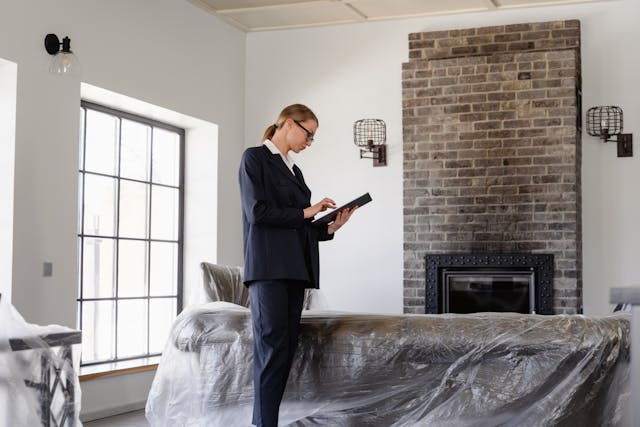
Professional management can also improve organization. Systems for rent collection, maintenance tracking, lease administration, and financial reporting help keep property operations running efficiently.
Applicant screening is generally handled through a consistent process that follows applicable laws and company procedures. Consistency can contribute to smoother operations and reduced administrative challenges over time.
Owners with multiple properties, demanding schedules, or investments located farther from their primary residence often find professional management particularly beneficial.
Key Factors to Consider
The decision between self-managing and hiring a property manager depends on several practical considerations.
Time is often the most important factor. Owners with demanding careers, business obligations, or other commitments may find it difficult to respond promptly to property-related issues like urgent repairs.
Distance can also affect the decision. Managing a rental property from another city or region often makes maintenance coordination and emergency response more difficult.
It’s especially tricky for first-time landlords. Experience is vital in keeping your investment safe. New property owners may underestimate the complexity involved in leasing, compliance, maintenance oversight, and documentation.
Portfolio size is another consideration. A single rental unit may be manageable for some owners, while multiple properties often require more structured systems and processes.
In many cases, responsibilities increase over time, making professional management a more attractive long-term solution.
California Rental Environment
California remains one of the most heavily regulated rental markets in the country. Property owners must comply with various requirements related to habitability standards, notice procedures, local regulations, and tenant protections.

While these regulations are intended to establish clear standards within the rental housing market, they also create additional responsibilities for owners. Overlooking a required procedure or handling documentation incorrectly can lead to delays and complications.
Because of these challenges, many California property owners choose professional management services to help maintain compliance and reduce administrative stress.
Conclusion
Self-managing a rental property offers direct involvement and complete control, but it also requires significant time, organization, and ongoing attention to California's regulatory requirements. For some owners, particularly those with limited holdings and sufficient availability, self-management may be a practical option.
For many others, professional property management provides meaningful advantages. Reduced workload, stronger operational systems, maintenance coordination, and compliance support can help simplify ownership while protecting the property's long-term performance.
At HCM Property Management, we help California property owners protect their investments while reducing the demands of daily management. Whether you own a single rental property or a growing portfolio, professional management can provide the structure and support needed to keep operations running smoothly.