_1.png)
Key Takeaways
- Track every expense to ensure you capture all eligible deductions and reduce taxable income.
- Leverage depreciation to offset income while maintaining long-term property value.
- Document travel and workspace use to unlock additional tax-saving opportunities.
- Keep organized records to support claims and simplify filing.
- Understand local rules to avoid penalties and protect profitability.
Did you know California landlords can reduce taxable rental income through key state and federal deductions? Managing property in the Golden State comes with complex rules, but tax season creates an opportunity to improve returns.
Whether you own a single rental or a growing portfolio, understanding deductions and expense tracking can strengthen long-term financial performance.
Taking a structured approach to finances is essential. With the right systems in place, you can stay compliant while maximizing what you keep. In this article, our HCM Property Management guide outlines practical ways to approach tax season with clarity.
Maximize Rental Profits with Expert Help
Get Started with HCM Property Management.
Essential Deductions for Rental Properties
One of the most effective ways to lower your tax liability is identifying every eligible business expense.
For California landlords, this includes costs tied to operating and maintaining a rental property. Property taxes, mortgage interest, and insurance premiums are among the most common deductions.
Expenses related to marketing vacancies and screening applicants are also typically deductible. These routine expenses can grow costly over the course of a year, making consistent tracking important for accuracy.

Maintenance and repairs can offer immediate tax benefits. Fixing a leak or repairing a fence usually qualifies as a deductible expense in the same year. These costs help restore the property to its original condition.
However, improvements are treated differently. Projects that add value or extend the life of a property must be depreciated over time. Misclassifying these expenses can lead to reporting errors or missed tax advantages.
Understanding how to categorize expenses helps reduce risk and ensures you take full advantage of available deductions. Many landlords overlook smaller costs, which can collectively make a meaningful difference.
Maximizing the Value of Depreciation
Depreciation is one of the most valuable tools available to real estate investors. The Internal Revenue Service allows residential rental property owners to recover costs over 27.5 years. This creates a non-cash expense that lowers taxable income.
Even if your property is increasing in market value, depreciation still applies. This makes it a powerful strategy for improving annual cash flow.
Accurate calculations require separating land value from the building itself. Since land does not depreciate, only the structure is included. In high-value areas like Newport Beach, this distinction becomes especially important.
Consistently claiming depreciation is critical. If you skip it, the IRS may still apply depreciation recapture when you sell. This means you could owe taxes on benefits you did not claim.
Careful planning helps avoid this outcome. Working with accurate numbers ensures your tax strategy supports both current savings and future returns.
Travel and Home Office Expenses
Landlords who actively manage their properties may qualify for travel-related deductions. This includes trips for inspections, maintenance coordination, or meeting vendors. Over time, these miles can become a significant expense category.
You can choose between deducting actual vehicle costs or using the standard mileage rate. Both methods require consistent documentation to support your claims.
We'll Make Taxes Easier
Keeping a mileage log is essential. Without it, deductions may not hold up if reviewed. Organized tracking ensures accuracy and reduces the risk of disallowed expenses.
A home office deduction may also apply if part of your home is used exclusively for managing rental activities. This can include a portion of utilities, insurance, and mortgage interest.
The space must be used regularly and only for business purposes. Clear documentation and a defined workspace help support your eligibility and simplify reporting.
The Importance of Professional Record Keeping
Strong record keeping is key to a smooth tax season. Both federal and California guidelines require documentation for every deduction. This includes receipts, invoices, and account statements.
Maintaining digital records can simplify organization. Using a separate bank account for rental activity also helps keep finances clear and accurate.
Security deposits require special attention. In California, they are not considered income when received. They only become taxable if retained for damages or unpaid rent.
A clear ledger ensures these funds are handled correctly. This prevents reporting errors and avoids paying unnecessary taxes.
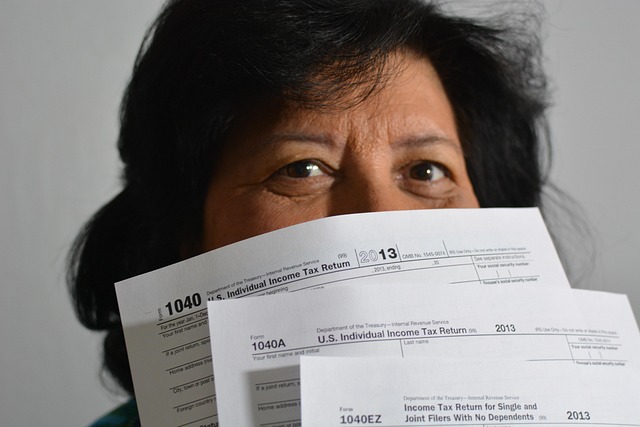 Detailed records also make it easier to respond to questions or audits. Staying organized throughout the year reduces stress during filing.
Preparing for State-Specific Requirements
California has additional tax requirements that landlords must follow. The California Franchise Tax Board may apply rules that differ slightly from federal guidelines.
Depreciation methods and reporting standards may not always align. Staying informed helps ensure compliance and prevents delays.
Local municipalities may also require business licenses or taxes. These are often based on rental income or the number of units owned.
While these costs are typically deductible on federal returns, they come with their own deadlines. Missing a filing can result in penalties that affect your bottom line.
Planning ahead and staying organized helps you meet all requirements. This keeps your rental operation running smoothly and efficiently.
Bottom Line
Successfully managing tax season requires attention to detail and a clear understanding of available deductions. From repairs to depreciation, each element plays a role in reducing your overall tax burden.
HCM Property Management helps landlords stay organized with accurate financial tracking and reporting. With professional support, you can approach tax season with confidence and focus on growing your investment.