_2.png)
Key Takeaways
- Habitability is the foundation of safety, requiring reliable plumbing, heating, electrical systems, and a weatherproof structure. Routine inspections help confirm these essentials remain functional.
- Fire and carbon monoxide protection are legal requirements, not optional add‑ons. Regular testing ensures alarms work when tenants need them most.
- Electrical, heating, and plumbing systems must operate safely, with issues like flickering lights or leaks addressed immediately. Proactive maintenance reduces risk and prevents costly damage.
- Structural integrity affects everyday safety, from secure railings to stable staircases and well‑lit walkways. Even minor issues can become hazards if ignored.
- Consistent documentation and scheduled inspections strengthen compliance, proving you take reasonable steps to maintain a safe rental. Professional oversight can further streamline maintenance and reduce liability.
How to Know if Your Rental Meets Safety Standards
As a landlord, ensuring your rental property meets safety standards is not optional. It is a core responsibility that protects your tenants, reduces liability, and preserves the long-term value of your investment.
A rental that appears clean and functional may still fall short of safety expectations. True compliance goes deeper. It involves habitability, structural integrity, properly functioning systems, and proactive maintenance.
Understanding what to look for can help you determine whether your property meets acceptable safety standards. That’s why we at HCM Property Management have prepared this guide, so that you know how to ensure your rental property meets safety standards.
Keep Your Rental Safe
Work with HCM Property Management for reliable oversight.
Start with Basic Habitability
At a minimum, a rental must be habitable. That means it should provide safe and livable conditions for occupants. The property must have functional plumbing, reliable heating, safe electrical systems, and a weatherproof structure.
Roof leaks, broken windows, exposed wiring, or inoperable plumbing fixtures are clear signs that the home may not meet safety standards.
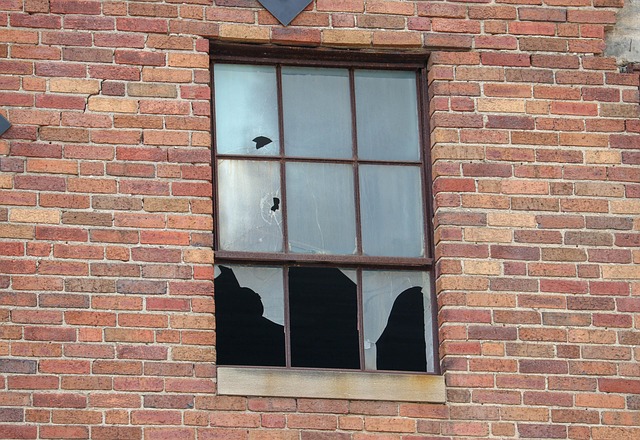
Habitability also includes sanitation. The property should be free of serious pest infestations and environmental hazards.
If a tenant cannot safely live in the unit due to structural or system failures, the property likely does not meet required standards. Routine inspections are the best way to confirm that these core systems remain functional.
Check Fire and Carbon Monoxide Protection
Fire safety is one of the most critical components of rental compliance. Smoke detectors should be installed in required areas and tested regularly. Carbon monoxide detectors are equally important in properties with gas appliances or attached garages.
Stay Ahead of Repairs
Let our team handle inspections and maintenance.
Testing alarms periodically and replacing batteries as needed ensures they function properly in an emergency. In multi-unit properties, additional fire safety measures such as marked exits or emergency lighting may be required.
A working smoke detector is not just a safety feature; it is a legal expectation in most jurisdictions.
Evaluate Electrical and Mechanical Systems
Before renting out your home, ensure that electrical systems are safe and capable of handling the property's power demands.
Signs of concern include flickering lights, frequently tripped breakers, warm outlets, or visible exposed wiring. These issues can increase the risk of fire and should be addressed immediately.
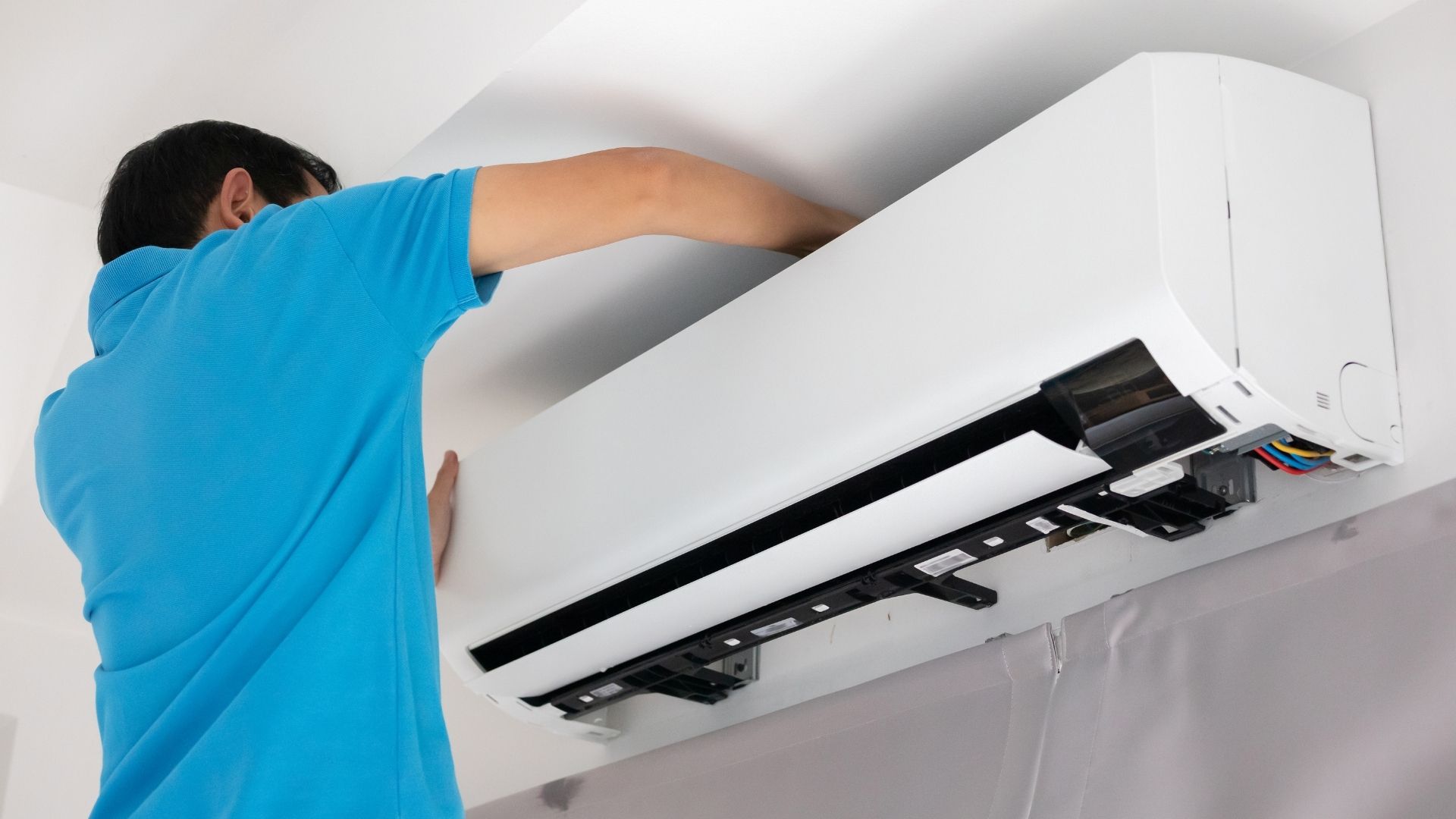
Heating systems must also operate safely and consistently. Furnaces, boilers, and ventilation systems should be serviced regularly. Strange smells, unusual noises, or inconsistent heating may indicate problems that compromise safety.
Plumbing is another area that requires attention. Persistent leaks, water damage, or mold growth can create health hazards. Prompt repairs protect both the tenant and the structure itself.
Inspect Structural Integrity
Structural safety is often overlooked until visible damage appears. Cracks in walls, loose railings, unstable staircases, and damaged roofing can all present risks.
Stairways should have secure handrails, balconies must be stable, and flooring should not create tripping hazards. Even minor structural issues can lead to injury if ignored. Exterior areas also matter.
Walkways should be even and properly lit. Entryways must be safe and secure. Taking time to assess both interior and exterior structures helps ensure compliance.
Address Slip and Fall Risks
Slip-and-fall accidents are one of the most common causes of tenant injury claims. Preventing them starts with careful observation.
Loose carpeting, uneven flooring, poorly lit hallways, and broken exterior steps can all increase risk. Adequate lighting in parking areas and entrances is especially important for tenant safety.
Small hazards often go unnoticed until someone is injured. Regular walkthroughs allow you to identify and correct these issues early.
Confirm Proper Security Measures
Tenant safety also involves protection from unauthorized access. All exterior doors should have functioning locks, and windows should close and latch securely.
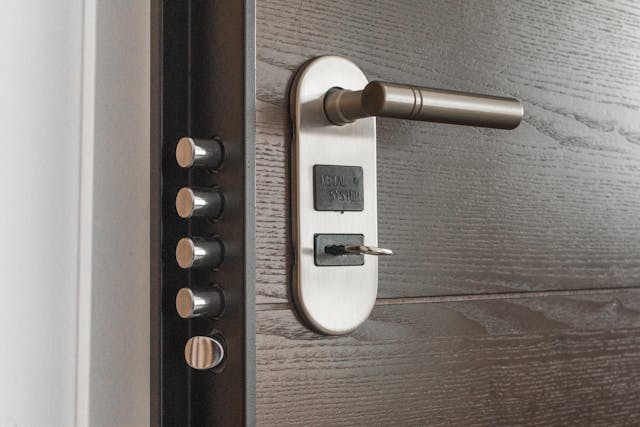
Damaged door frames or broken locks must be repaired promptly. Outdoor lighting can also enhance safety and deter potential intrusions. Providing secure entry points not only meets safety expectations but also improves tenant confidence and satisfaction.
Watch for Environmental Hazards
Environmental risks can affect both health and legal compliance. Mold growth, pest infestations, deteriorating paint, and standing water should be addressed quickly.
Older properties may require additional considerations, such as awareness of potential lead-based paint. While regulations vary, landlords must ensure that environmental conditions do not pose risks to occupants. Ignoring environmental concerns can result in costly remediation and legal complications.
Document Inspections and Repairs
Knowing your rental meets safety standards requires documentation. Keeping detailed maintenance records demonstrates that you are taking reasonable steps to provide a safe living environment.
Maintain records of inspections, repair invoices, service appointments, and tenant communications. Consistent documentation not only protects you in the event of a dispute but also creates an organized maintenance history. Proactive recordkeeping supports long-term property performance.
Conduct Regular Property Reviews
One of the most effective ways to confirm safety compliance is through scheduled inspections. Annual or semi-annual property reviews help you identify developing issues before they escalate.
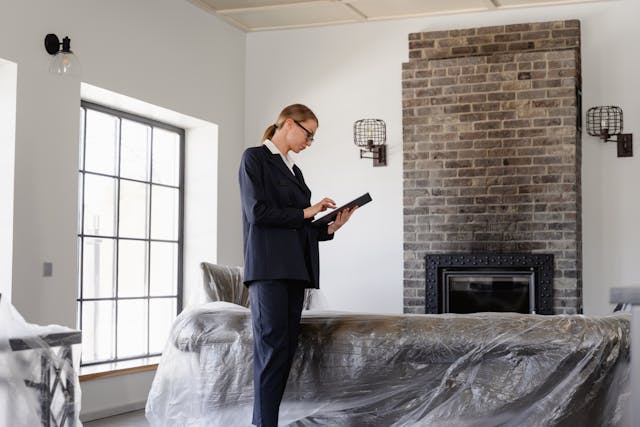
These inspections should evaluate mechanical systems, structural components, safety devices, and general condition. Addressing minor repairs promptly reduces the likelihood of major failures. Safety is not a one-time checklist. It requires ongoing attention.
Consider Professional Oversight
Professional property managers can make all the difference. Maintaining safety standards takes time and consistent follow-through. Between coordinating repairs, tracking documentation, and responding to tenant concerns, it can be challenging to manage everything alone.
A professional property management company can help implement regular inspections, coordinate licensed contractors, and ensure that maintenance timelines are met. Structured oversight reduces the risk of overlooked hazards.
Working with an experienced team such as HCM Property Management provides additional support in maintaining safe and well-managed rental properties.
The Bottom Line
Knowing whether your rental meets safety standards requires more than a quick visual check. It involves habitability, fire protection, electrical safety, structural integrity, and consistent maintenance practices.
By conducting regular inspections, responding promptly to repairs, and maintaining clear documentation, you reduce risk and protect both your tenants and your investment. Safety is not simply about compliance; it is about responsible ownership and long-term asset protection.
A proactive approach to maintenance and oversight ensures your rental property remains safe, stable, and professionally managed year after year.
If you need help, reach out to HCM Property Management and we’ll be happy to help you make the best out of your rental investment.