Handling Late Rent: Expert Tips from an Orange County Property Management Company
Late rent, if you’re a landlord, you know that sinking feeling when the first of the month rolls around, and… crickets. No payment. Unfortunately, it happens more often than you’d like, and when it does, it can seriously mess with your cash flow and peace of mind.
But don’t worry. Late rent doesn’t have to send your investment plans into a tailspin. With a structured, legal, and fair approach, you can handle these situations confidently, and maintain professional relationships with your tenants along the way.
At HCM Property Management, we help landlords across Orange County stay on top of their rental income with proven strategies that keep things smooth, legal, and stress-free.
Let’s walk you through the right way to handle late rent.
Key Takeaways
Know your lease terms and grace periods like the back of your hand.
Start with a friendly reminder, it often does the trick.
Follow up with a formal written late notice if needed.
Issue a Pay Rent or Quit notice and document it correctly.
Don’t accept partial payments during a notice period.
If it comes to it, move forward with eviction through an attorney.
Step 1: Know When Rent Is Officially Late
Everything starts with your lease agreement. You need to know:
The rent due date (typically the 1st of the month)
If there’s a grace period (many leases give 3–5 days)
How weekends or holidays affect deadlines
This is crucial, especially in California, where rent control laws and local ordinances might impact when you can issue notices or file for eviction. So double-check that your lease is legally airtight and in line with Orange County regulations.
Step 2: Start With a Friendly Reminder

Not every late payment is a red flag. Sometimes tenants simply forget or run into a temporary snag. That’s where a polite, professional reminder can go a long way.
You might say:
“Hi [Tenant Name], just a quick reminder that this month’s rent hasn’t been received yet. Please let us know if there’s been a delay or issue.”
Text, email, or phone, whichever method you’ve used before, just make sure to document it. Friendly reminders build goodwill and keep things cordial. Plus, it shows you’re on top of things, which encourages tenants to stay timely.
Step 3: Send a Formal Late Rent Notice
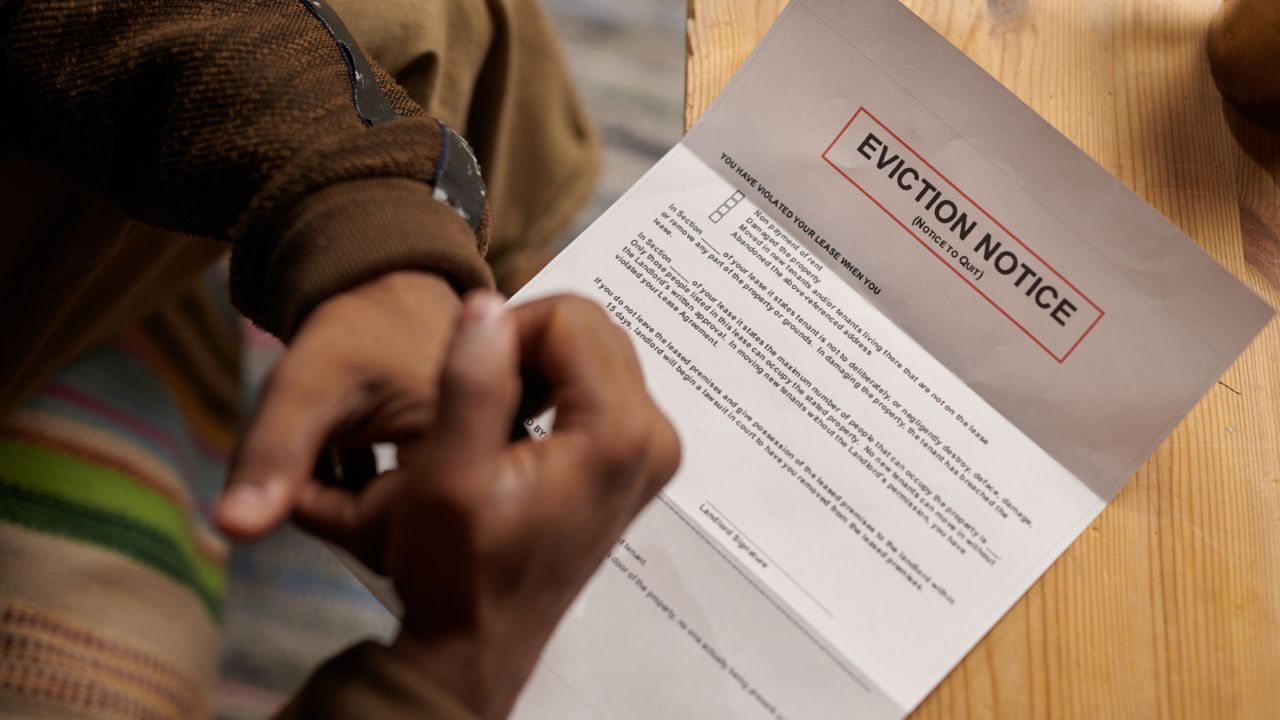
If a couple of days pass and the rent still hasn’t arrived, it’s time to take the next step: a formal written notice.
This notice should include:
The total rent due
Late fees (if your lease allows them)
A clear warning about potential legal consequences
This notice is also a paper trail that protects you legally and shows that you’re treating the situation seriously.
Need help drafting a formal notice? We can provide custom templates to make the process easier for Orange County landlords. Also, if you're managing multiple properties or preparing to rent out your house, having standardized notices makes life easier and more compliant.
Step 4: Issue a Pay Rent or Quit Notice

If the tenant doesn’t respond to the late notice, your next move is to issue a 3-Day Pay Rent or Quit Notice, standard in California.
This gives the tenant:
3 business days to pay the full amount owed
Or vacate the property entirely
Important: Don’t accept partial payments during this period! If you do, the entire notice may be invalidated, and you’ll have to start over.
Make sure the notice is properly served, by hand, mail, or posting on the door (as required by California law). Incorrect service can delay the process or even cause the notice to be dismissed. This is especially important if you're expanding into high-demand real estate markets in Orange County, where timelines and legal precision matter.
Step 5: Prepare for Eviction if Needed
If there’s still no payment and no response, it’s time to move forward with eviction. In California, this involves filing an unlawful detainer lawsuit, a legal eviction process that must be done through the courts.
At this point:
Avoid any further communication about payments
Keep all your records organized (notices, lease, communications)
Consult an eviction attorney to avoid costly mistakes
Want to make sure your property stays protected during this phase? A solid rental property maintenance checklist will keep the rest of your investment running smoothly, even if one unit hits a bump.
Why a Structured Process Matters
Let’s be real, landlording isn’t always easy. But having a step-by-step system for handling late rent makes a world of difference.

Here’s what it helps with:
Consistency: You treat all tenants fairly
Legal Protection: You avoid lawsuits or delays
Financial Stability: You stay in control of your income
Peace of Mind: You don't panic every time rent is late
Need Help Managing Late Rent?
Late rent is one of those things that can turn into a nightmare fast, if you don’t have the right tools and experience.
That’s where we come in.
At HCM Property Management, we’ve helped hundreds of landlords across Orange County handle late payments, navigate evictions, and keep their portfolios profitable.
Whether you need help with:
Drafting notices
Legal compliance
Full-service property management
Tenant communication strategies
We’ve got your back.
Contact us today to take the stress out of late rent, for good.
Wrapping It Up – Don’t Let Late Rent Derail Your Investment
Late rent isn’t fun. But with the right process and a little support, you can keep things professional, fair, and totally under control.
Remember:
Stick to your lease terms
Communicate clearly and document everything
Don’t delay formal action if needed
Always protect your legal rights
And when in doubt? Call in the pros. HCM Property Management is your go-to expert in Orange County property management, whether you’re managing one unit or a dozen.