For many Irvine rental property owners, deciding whether to allow pets is not a simple yes or no decision. Pets can expand your tenant pool and help reduce vacancy, but they can also create extra wear, cleaning costs, and liability concerns.
HCM Property Management works with rental property owners throughout Irvine, Orange County, and nearby markets, and this question comes up often. The right answer depends on the property, the owner’s risk tolerance, the lease terms, and how well the pet policy is managed.
Key Takeaways
Landlords who ban pets may reduce risk, but they may also shrink their tenant pool.
Pet-friendly rentals can lease faster, which may help reduce lost rental income.
Pet rent, deposits, and clear lease terms can help offset added risk.
Assistance animals and emotional support animals must be handled differently from pets.
A strong screening and inspection process matters more than a simple yes or no policy.
Why Pet Policies Matter for Irvine Rental Owners
Irvine has a competitive rental market, and renters often compare homes based on location, price, condition, and flexibility. For many tenants, a pet policy can be the deciding factor.
A no-pet policy may feel safer, especially if the property has new flooring, a small yard, or shared walls. But it can also limit the number of qualified renters who are willing to apply. Current rental trends show that pet-friendly listings can lease faster, which matters when every vacant day affects cash flow.
For owners focused on long-term performance, pet decisions should be treated as part of the broader leasing strategy, not just a personal preference.
The Main Benefits of Allowing Pets
.png)
1. A Larger Tenant Pool
Many renters own pets. When a landlord refuses all pets, they automatically remove a large group of otherwise qualified applicants.
That does not mean every pet should be approved. It means owners should weigh the risk of pet damage against the risk of longer vacancy. A well-qualified tenant with a responsible pet may be better than waiting weeks for a pet-free applicant who is not as strong financially.
This is also where professional tenant screening becomes important. Income, credit history, rental history, references, and prior landlord feedback can help owners make a better decision.
2. Reduced Vacancy Time
Vacancy is one of the most expensive parts of owning a rental property. Mortgage payments, taxes, insurance, HOA dues, utilities, and maintenance may continue even when rent is not coming in.
Investors often track vacancy because it directly affects income. A property’s effective rental income is not just based on the advertised rent. It is also affected by vacancy, missed rent, and other income losses.
If allowing pets helps the home lease faster to a qualified tenant, the financial upside may outweigh the added risk.
3. Potential Pet Rent or Added Deposit
In many cases, landlords may be able to charge pet rent, a pet deposit, or other allowable pet-related fees. These charges can help offset added wear and tear, cleaning, or minor repairs.
However, California landlords need to be careful. Rules around deposits, fees, assistance animals, and fair housing compliance can be specific. Before collecting any pet-related amount, owners should confirm what is allowed under current local and state requirements.
For Irvine owners, a clear pet addendum should explain:
Approved pets
Number of pets allowed
Pet rent or deposit terms
Tenant responsibility for damage
Cleaning expectations
Insurance requirements
Rules for unauthorized pets
The Main Risks of Allowing Pets
1. Property Damage
Pet damage is the most common concern, and it is valid. Dogs may scratch doors, floors, and cabinets. Cats may damage carpet or screens. Yards can be worn down. Odors can become an issue if the home is not cleaned properly.

The risk is higher when the lease is vague or the property is not inspected regularly. A pet-friendly policy should always be paired with strong documentation, move-in photos, and periodic inspections.
Owners using Irvine property management support can often manage this more consistently because inspections, lease enforcement, and documentation are built into the process.
2. Liability Concerns
Some pets may create liability concerns, especially certain dogs with aggressive behavior histories. Landlords should avoid making assumptions based only on breed, but they should still consider safety, insurance requirements, and local rules.
Owners should also check whether their landlord insurance policy has animal-related exclusions. Some insurance providers restrict coverage for certain dog breeds or animal incidents. A lease can say one thing, but the insurance policy may say something different.
3. More Cleaning and Maintenance
Even responsible pet owners can leave behind extra cleaning needs. Common issues include hair buildup, odors, scratched surfaces, damaged blinds, stained carpet, and yard repairs.
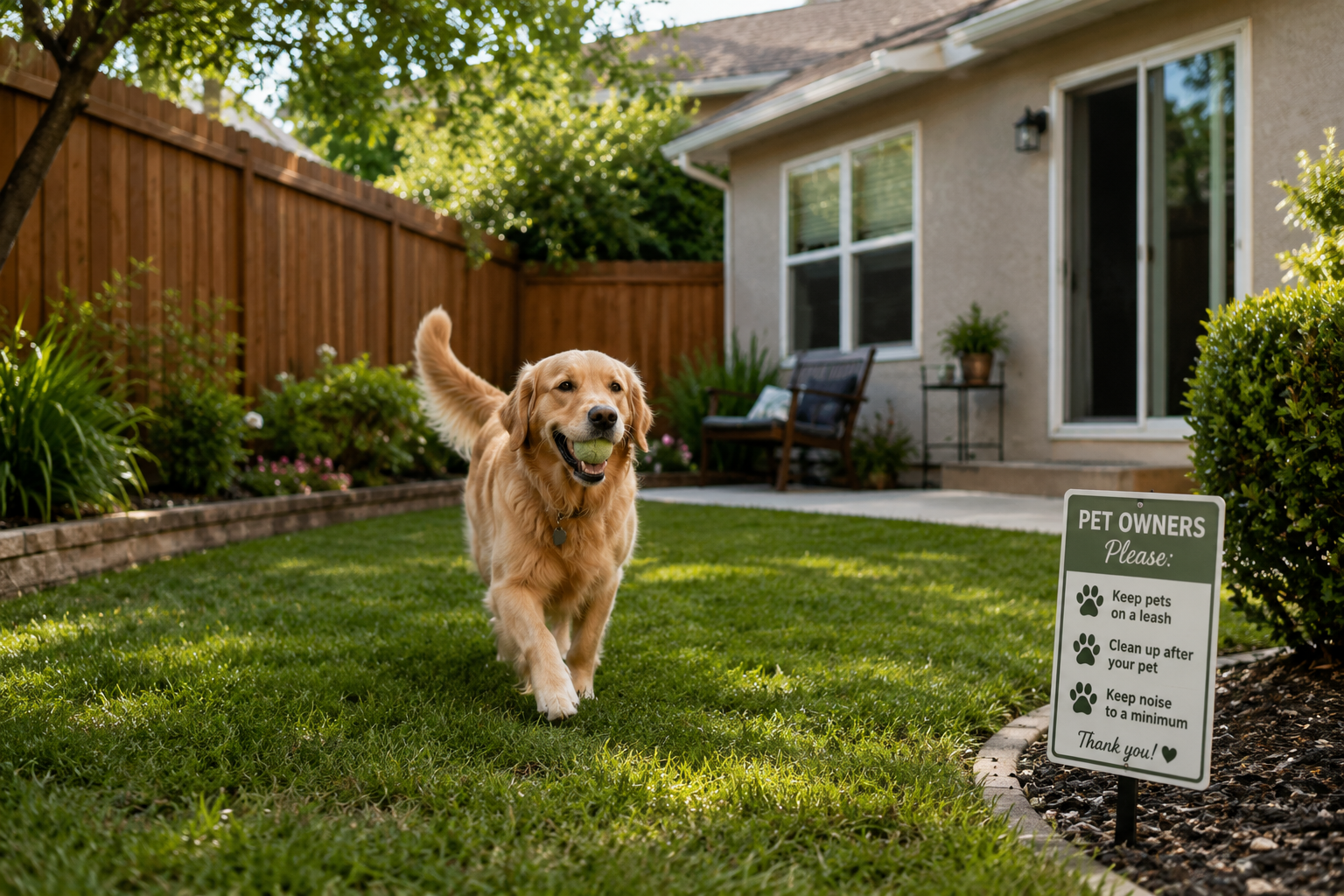
For higher-end Irvine rentals, this matters because property condition affects rentability. A home that smells like pets or shows visible damage may take longer to lease after move-out.
This does not mean pets should always be denied. It means owners should plan for the added oversight before approving them.
4. More Administrative Work
A pet policy creates extra work. Landlords need to document approved animals, collect proper paperwork, confirm insurance when applicable, and enforce lease terms.
They also need to watch for unauthorized pets. A tenant may move in with one approved dog and later add another animal without permission. Regular inspections can help catch these issues early.
Pets Are Not the Same as Assistance Animals
One of the biggest mistakes landlords make is treating pets, service animals, and emotional support animals the same way.
They are not the same.
Assistance animals may be protected under fair housing rules, and landlords may have different obligations when a tenant makes a valid accommodation request. Pet rent, pet deposits, breed limits, and no-pet policies may not apply the same way to assistance animals. Housing providers should understand reasonable accommodation rules for assistance animals before denying a request or charging pet-related fees.
HCM has covered this topic separately in more detail here: emotional support animals in rental property.
How to Create a Smarter Pet Policy

A strong pet policy should protect the property without unnecessarily turning away good tenants.
A practical policy may include:
Pet screening before approval
Limits on number of pets
Written pet addendum
Clear damage responsibility
Proof of renter’s insurance
Interior and exterior inspection standards
Rules for waste, noise, and nuisance complaints
Consequences for unauthorized pets
The goal is not to make the property wide open to every animal. The goal is to make a controlled decision that supports occupancy, protects the asset, and keeps the lease enforceable.
Final Thoughts
Allowing pets in an Irvine rental property can be a smart move when the policy is written clearly and managed properly. It may help attract more qualified tenants, reduce vacancy, and improve long-term occupancy. It can also create extra risk if the lease, screening, and inspection process are weak.
HCM Property Management helps rental property owners think through decisions like this with a practical, property-specific approach, so owners can protect their investment while staying competitive in the Irvine rental market.